
 Flickr
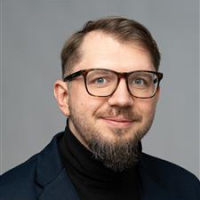
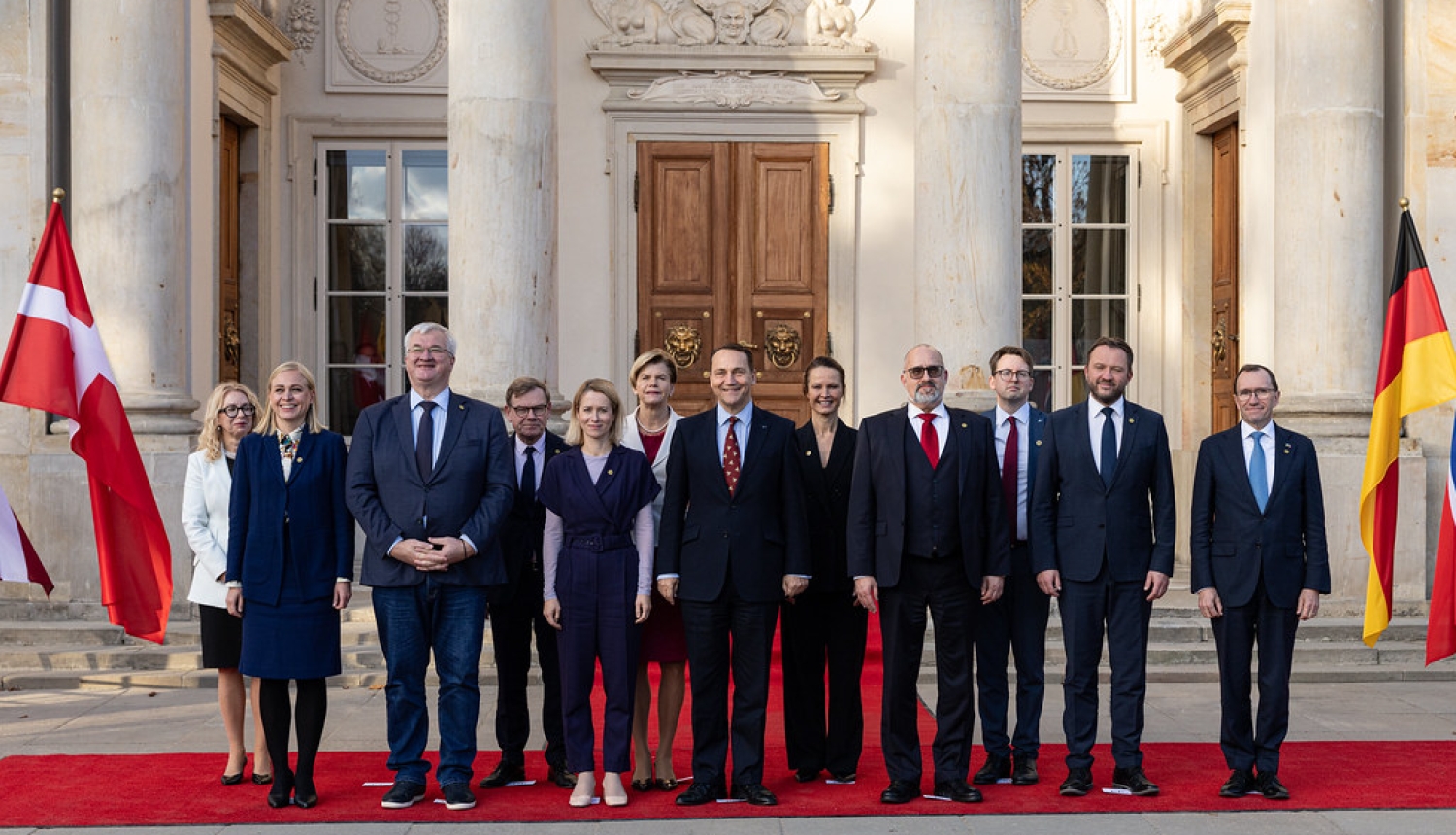
On 6 November 2026, Minister of Foreign Affairs Baiba Braže participated in a meeting of foreign ministers from the Council of the Baltic Sea States (CBSS) and Ukraine in Warsaw, organised by Poland in cooperation with Iceland, which currently holds the CBSS presidency.
Discussions focused on current regional security issues, including the threats posed by Russia’s unconventional warfare and efforts to counter the pressure of illegal migration organised by Belarus. The participants discussed support for Ukraine, with particular emphasis on assistance in preparation for the coming winter. The meeting also addressed the role of European countries in the Ukraine peace talks, and a joint declaration was signed reaffirming continued support for Ukraine, the pursuit of a just and lasting peace, the strengthening of sanctions against Russia and enhanced European security.
“Russia is shifting to a long-term war footing, carrying out extensive unconventional operations aimed at undermining the unity of European countries, weakening their resilience and diminishing support for Ukraine,” emphasised the Minister of Foreign Affairs. “Russia’s provocations and acts of sabotage could affect any ally; Europe must not only continue to strengthen its resilience but also maintain strong economic pressure, ensure Russia’s international isolation and strengthen sanctions.” Baiba Braže called for Russian athletes and artists to be banned from participating in international events, former Russian soldiers to be denied entry to the European Union, and Russian citizens to be deprived of the benefits offered by tourism in the European Union.
At the meeting, the Minister reported on the ever-increasing pressure of illegal migration organised by Belarus at Latvia’s border. Latvia has already prevented nearly 13,000 attempted illegal border crossings this year, thereby also protecting the borders of the European Union and NATO. “The pressure of illegal migration exerted by Belarus on the eastern border of the European Union and NATO is part of a broader Russia's attack on European security,” emphasised Baiba Braže.
During the meeting, the countries expressed firm support for Ukraine and for efforts to achieve a just and lasting peace. Latvia’s Minister for Foreign Affairs pointed out that support for Ukraine and increased pressure on Russia remain the most effective path to peace. “Ukraine has demonstrated its readiness for diplomatic negotiations, while Russia is stepping up its attacks,” noted Baiba Braže.
The participants reaffirmed their readiness to continue providing comprehensive military, humanitarian and financial support to Ukraine. Particular attention was paid to strengthening the resilience of Ukraine’s energy infrastructure and enhancing its air defence capabilities in view of Russia’s intensified attacks on civilians, critical infrastructure and civilian infrastructure. When discussing Ukraine’s financial situation, participants agreed on the need to find solutions to fund Ukraine’s budgetary and defence needs in 2027.
The meeting was attended by the foreign ministers of Poland, Estonia, Norway, Finland, Germany and Ukraine, as well as the EU High Representative for Foreign Affairs and Security Policy. Iceland, Denmark, Sweden and Lithuania were represented by officials delegated by their respective foreign ministers.
Statement of the ministers and the High Representative: