
 Flickr
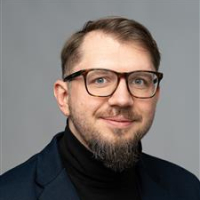
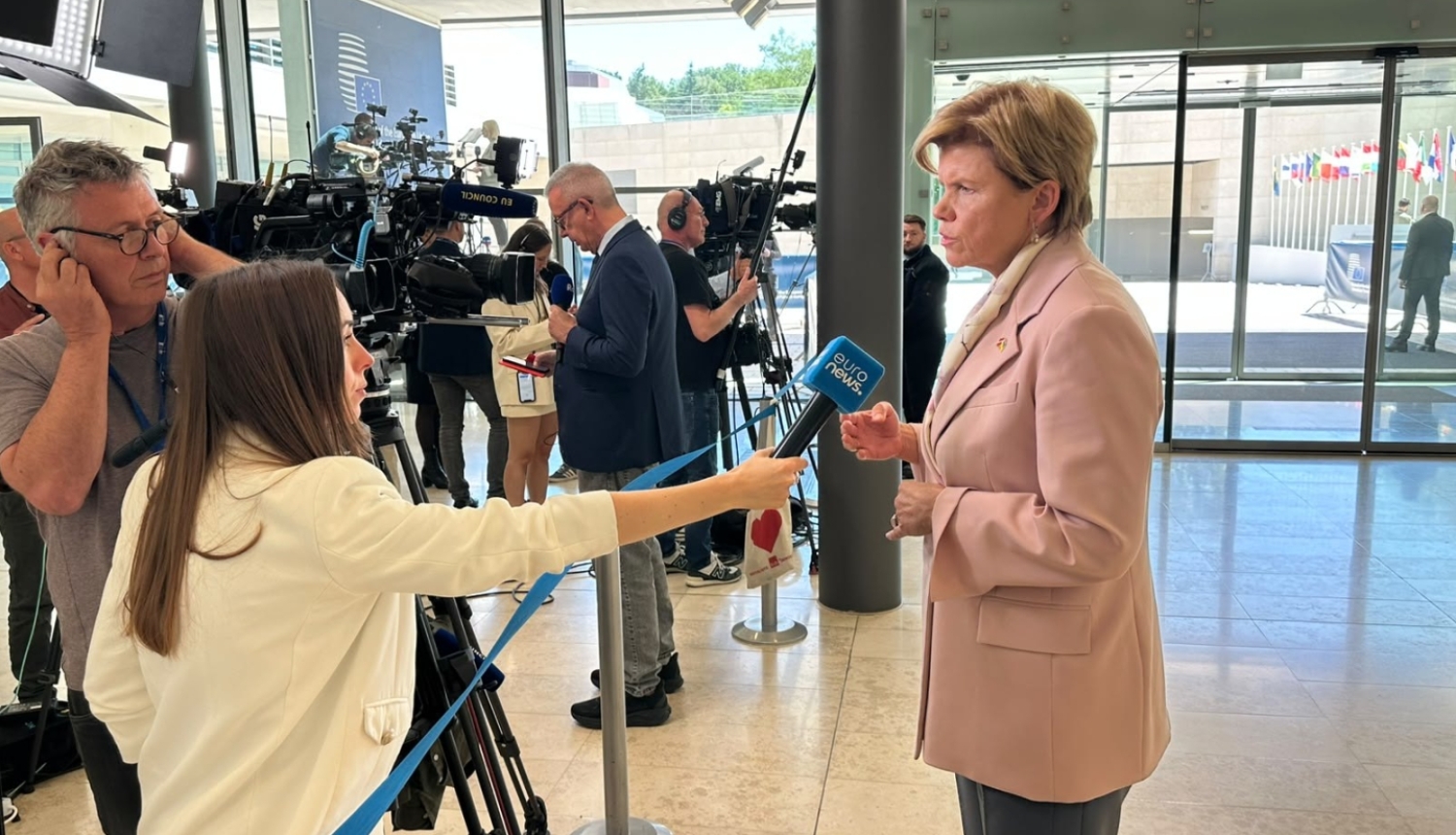
On 15 June 2026, at the EU Foreign Affairs Council in Luxembourg, the Minister of Foreign Affairs, Baiba Braže, stated that new sanctions against Russia, the launch of EU accession negotiations with Ukraine, and EU unity send a clear signal to Russia, following the barbaric attacks on historic and religious heritage sites in Kyiv, that it will not achieve its aggressive goals and that Ukraine will be a free and democratic country within the European Union.
One of the first issues to be discussed by the Foreign Affairs Council was the further isolation and containment of Russia. Latvia supports the regular imposition of new sanctions against Russia even outside the usual sanction packages, targeting in particular Russia’s shadow fleet and its support network. The Council approved:
- sanctions against 54 individuals and legal entities linked to Russia’s military-industrial complex and the “shadow fleet” ecosystem;
- sanctions against 10 individuals and legal entities in response to Russia’s destabilising activities, including propaganda;
- sanctions against 15 individuals and one legal entity in response to the persecution, poisoning and death of Alexei Navalny;
- sanctions against six individuals in response to destabilising activities in Moldova.
The Foreign Minister called for the adoption of a comprehensive 21st package of sanctions in July and proposed extending the sectoral and individual sanctions regime against Russia to 12 months, instead of the current 6 months.
The first of six negotiations clusters on Ukraine’s and Moldova’s accession to the EU was opened at the Council of Europe. The Minister expressed satisfaction with the progress made by both countries and called for the remaining negotiations clusters to be opened by the end of July.
When discussing the Middle East, the Minister emphasised that any blockade of the Strait of Hormuz by Iran is illegal and unacceptable. Latvia is ready to participate in international initiatives to ensure freedom of navigation and supports closer cooperation with the Gulf States.
Baiba Braže expressed concern about the humanitarian situation in the Gaza Strip and noted that the implementation of the US peace plan is the only path to long-term peace and security for Israelis and Palestinians. At the same time, she highlighted the need to maintain dialogue with Israel. The Minister expressed her condolences for the UNIFIL peacekeeper killed in Lebanon and noted that attacks on peacekeepers are unacceptable and must be investigated.
Discussing EU-China relations, the Minister highlighted the growing significance of economic and security challenges. She noted that China remains a key enabler of Russia’s war against Ukraine, advancing its strategic interests through the use of technology and supply chains for rare earth minerals. Latvia supports sanctions against Chinese entities that aid in the restoration of Russia’s military industry and the circumvention of sanctions, and calls on the EU to develop a unified policy toward China.
Prior to the Foreign Affairs Council, EU foreign ministers met with Armenian Foreign Minister Ararat Mirzoyan. The ministers welcomed the parliamentary elections held in Armenia, emphasising the country’s ability to resist Russia’s destabilising influence. Latvia confirmed its readiness to share its experience in reform, modernisation and connectivity.
Meanwhile, at the EU-Egypt Association Council, Baiba Braže emphasised Egypt's significant stabilising role in the Middle East and commended its contribution to promoting regional security and dialogue. The Minister also appreciated Egypt’s constructive engagement in efforts to reach an agreement between the US and Iran. Baiba Braže expressed support for further deepening the EU-Egypt strategic partnership, particularly in the areas of security, economic cooperation and digitalisation.
The meeting also included a session with the foreign ministers of the NB8 countries and Dr Anita Orbán, the Minister of Foreign Affairs of Hungary, during which further support for Ukraine was discussed. Poland presented a study on Russian sabotage activities and threats in the Baltic Sea region, while Romania and Bulgaria reported on progress in establishing the Black Sea Security Centre.