 Flickr
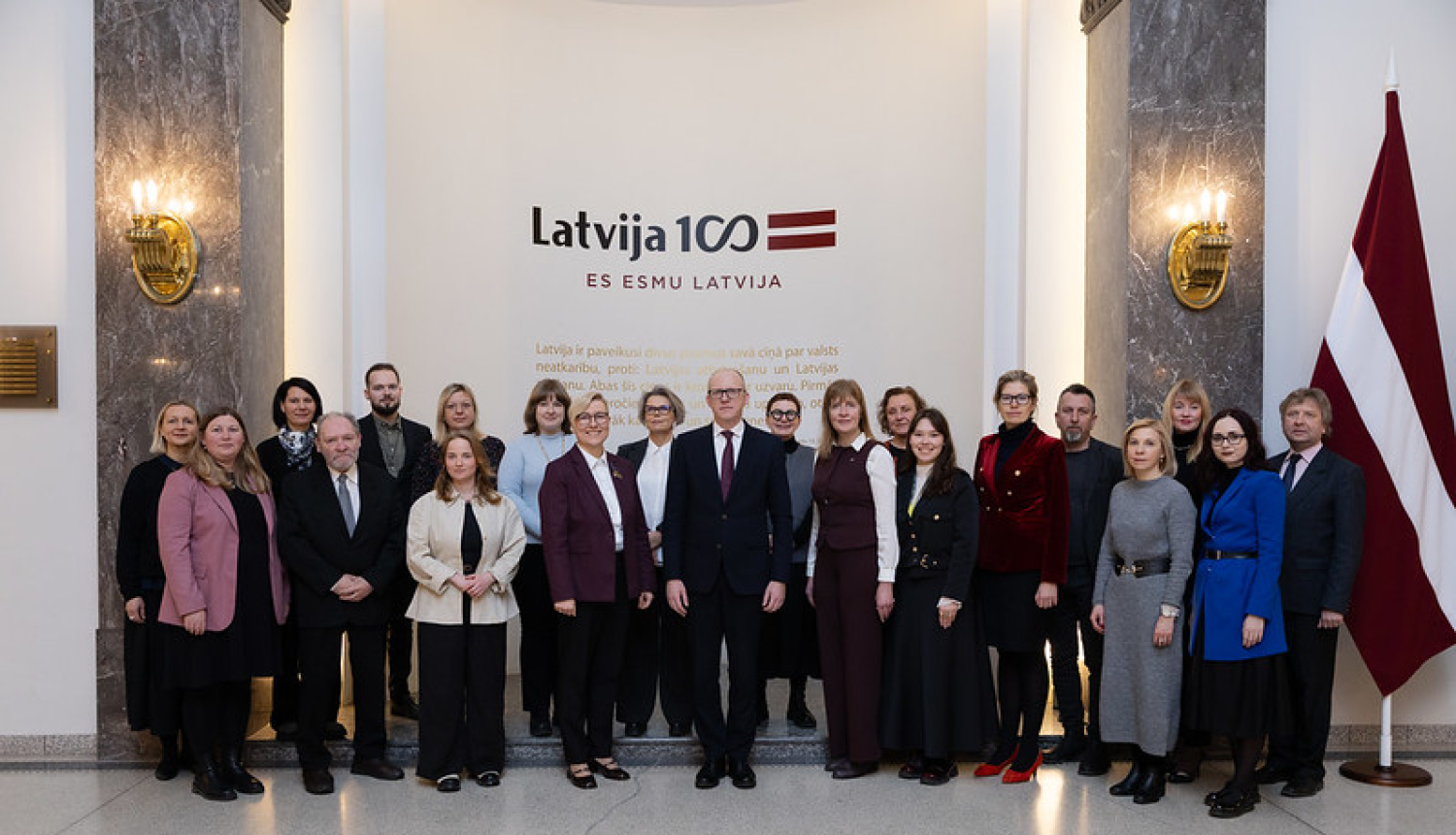
On 23 January 2026, the Ministry of Foreign Affairs hosted the annual meeting of experts from the United Nations Educational, Scientific and Cultural Organization (UNESCO) with the aim to strengthen cooperation, learn about the areas of work and achievements of UNESCO experts in 2025, and provide information on the work plans of the involved institutions for 2026.
The event was opened by the Ambassador Extraordinary and Plenipotentiary of Latvia to the OECD and UNESCO, Andris Pelšs. The Ambassador stressed that UNESCO has become an important platform for global geopolitical competition and pointed to the numerous opportunities for Latvia to bolster its position in the Organization.
Andris Pelšs noted: “UNESCO has become an important instrument of soft power within the UN system where several member states are making targeted investments to expand their influence and shape global narratives.”
During the meeting, the Director of International Organisations and Human Rights Department at the Ministry of Foreign Affairs, Katrīna Kaktiņa-Kalniņa, outlined Latvia’s priorities in the UN Security Council, stressing that all three priorities are closely linked to UNESCO’s areas of work. She pointed out that UNESCO is an important platform within the UN system, contributing in practical ways to the promotion of international peace, human rights, and the rules-based international order, particularly in the areas of education, access to information, freedom of expression, and the protection of cultural heritage.
Looking ahead to 2026, Latvia will focus on three main areas of work within UNESCO. Firstly, to ensure stable and coordinated work of Latvia’s representation and experts in UNESCO structures, committees, and programmes. Secondly, to promote the consistent advancement of issues in line with UNESCO’s mandate, with a particular focus on the resilience of education, science, and information in the context of current global challenges. Thirdly, to build practical international cooperation through the use of Latvian expertise and solutions in UNESCO initiatives and projects.
UNESCO (United Nations Educational, Scientific and Cultural Organization) is an international organisation that brings together 194 countries committed to the fields of education, natural sciences, social sciences and humanities, culture, communication and information. Latvia joined UNESCO in 1991.