 Flickr
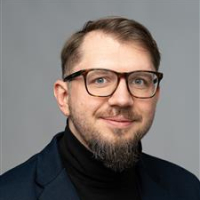
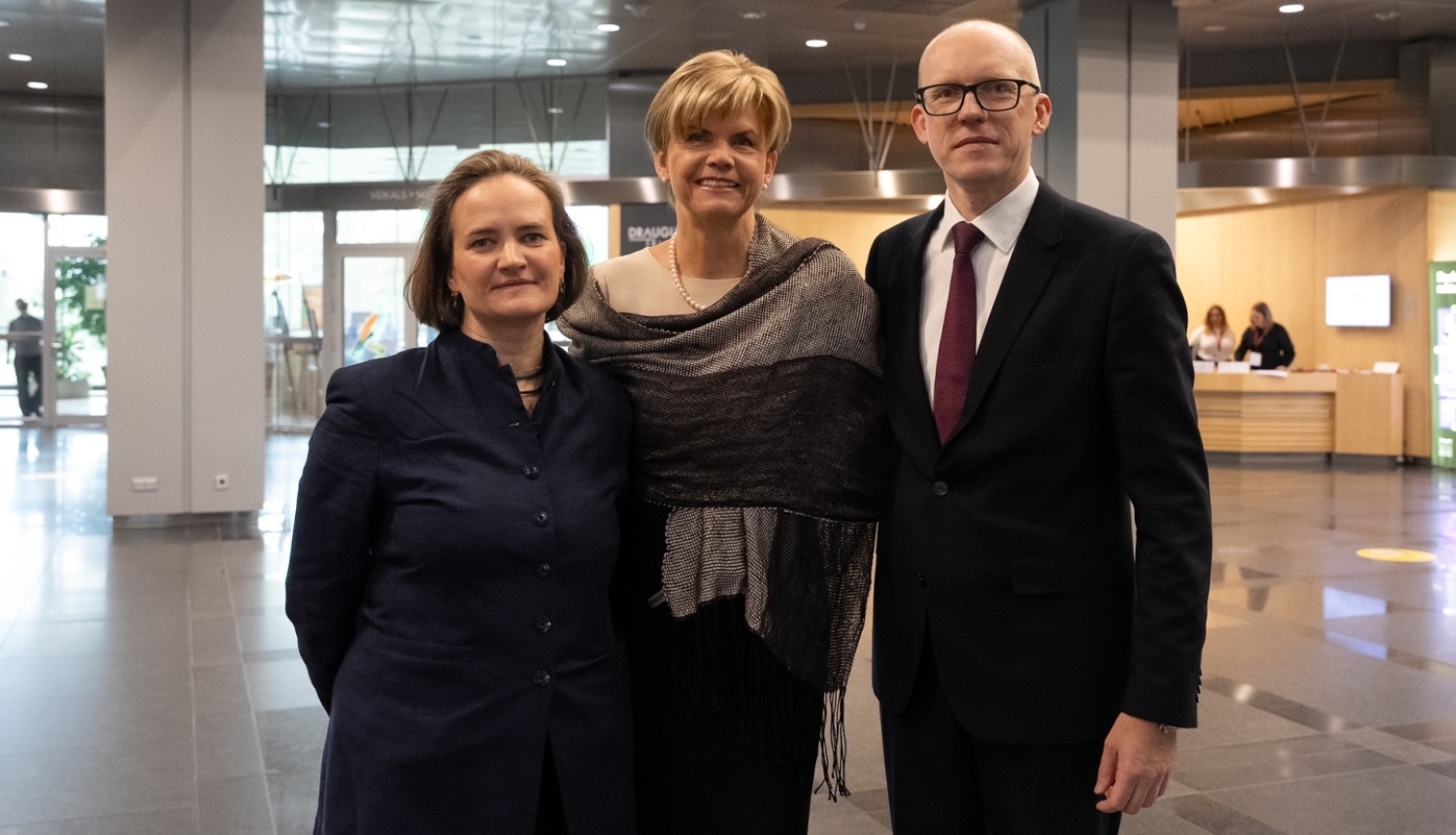
On 14 October 2026, at the National Library of Latvia, Minister of Foreign Affairs Baiba Braže opened the 5th International Scientific Conference, “The Battle for People’s Minds. Information, Intelligence and Propaganda in 20th-Century Military Conflicts and Today”, dedicated to the 35th anniversary of Latvia’s accession to UNESCO. The Minister emphasised that disinformation, propaganda and the risks posed by artificial intelligence threaten democracy, social cohesion and trust.
“War does not begin solely on the battlefield. It begins with lies, disinformation and attempts to manipulate people’s minds, divide society, rewrite history and shatter national identity,” Baiba Braže emphasised.
Latvia knows from its own historical experience what the struggle for truth truly means. The Soviet occupation was masked by staged elections and a fabricated “will of the people”, but in the decades that followed, the occupying regime systematically suppressed Latvia’s identity and sought to erase the national memory. Russia is using similar tactics in its war of aggression against Ukraine.
Russia’s attacks on Ukraine’s places of worship, museums, archives, libraries and UNESCO World Heritage sites are not merely acts of infrastructure destruction. They are deliberate attacks on the Ukrainian people’s historical memory, cultural heritage and identity.
Baiba Braže emphasised that Russia and Belarus are attempting to use UNESCO and other international organisations to justify their crimes, spread disinformation and gain legitimacy. Countries that deliberately destroy the cultural heritage of other nations and take human lives must not be allowed to hold positions within the governing bodies of international organisations.
The Minister also addressed the opportunities and risks presented by artificial intelligence. New technologies help preserve and digitalise cultural and historical heritage and make it more accessible, but at the same time, they can be used to manipulate information. That is why education, culture, media literacy and critical thinking are our most important weapons today.
This year marks the 35th anniversary of Latvia’s admission to the UN and its accession to UNESCO. UNESCO membership has helped strengthen Latvia’s national identity and showcase to the world Riga’s historic centre, the old town of Kuldīga, the Song and Dance Festival tradition, the Suiti cultural landscape, the Dainu skapis and the Baltic Way.