
 Flickr
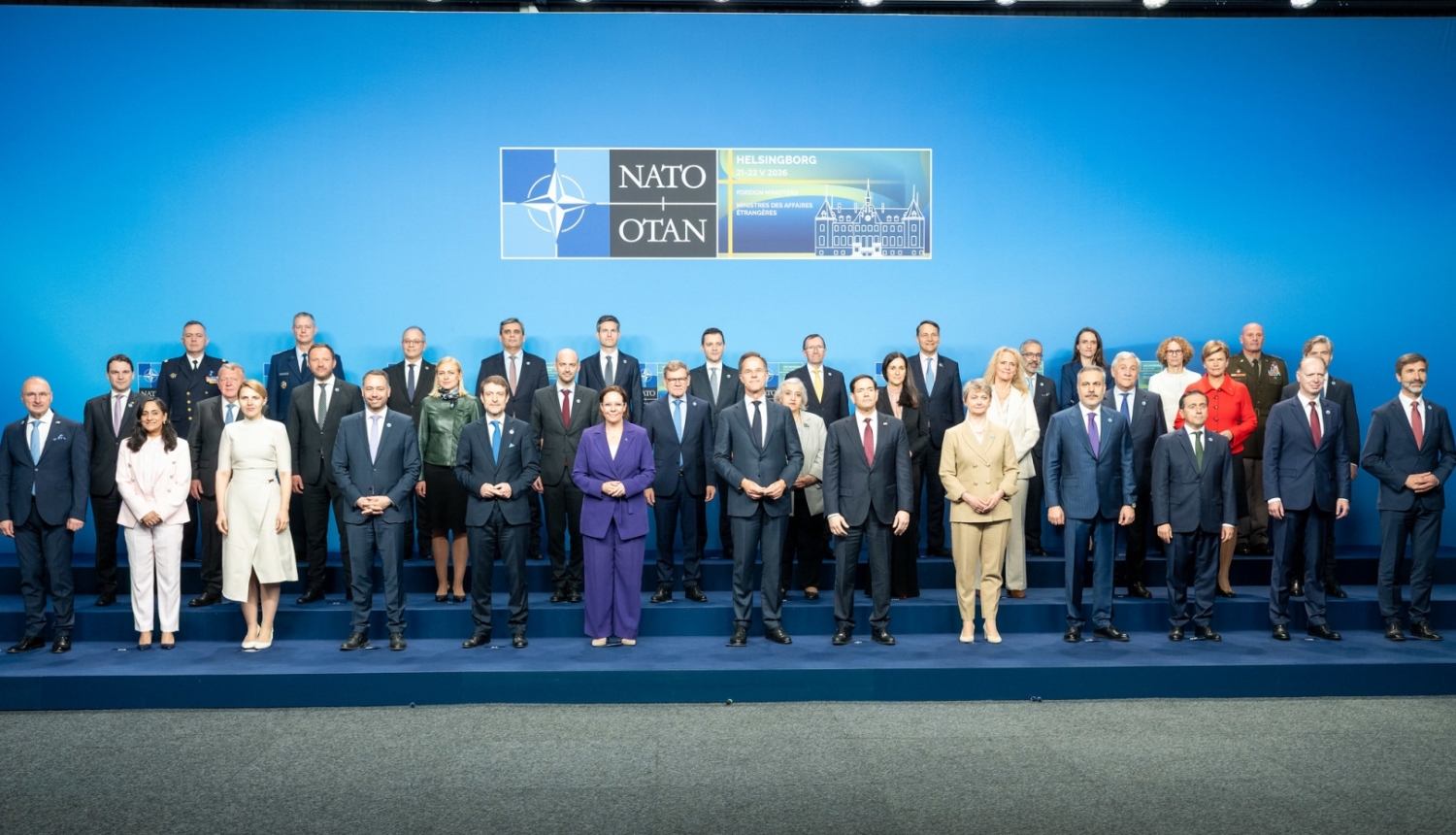
At the meeting of NATO Ministers of Foreign Affairs held on 21 and 22 May 2026 in Helsingborg, Sweden, the main focus was on the priorities of the NATO Summit in Ankara scheduled for 7 and 8 July.
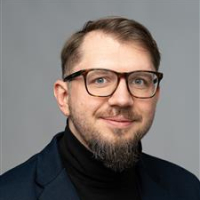
The Minister of Foreign Affairs, Baiba Braže, emphasised that it is essential to reaffirm transatlantic unity and the enduring importance of NATO’s collective defence principle at the Ankara Summit. In Latvia’s view, allies must demonstrate at the Summit tangible progress in increasing defence spending and meeting NATO capability targets, while strengthening the development of the transatlantic defence industry and maintaining long-term support for Ukraine.
During the meeting, Baiba Braže noted that Europe must do more in the areas of defence spending, capabilities, and industrial development.
“There is complete commitment among allies to NATO’s integrity, deterrence, and defence. The message from the US is the same – Europe must do more,” the Minister emphasised.
Latvia’s Foreign Minister briefed NATO Secretary General Mark Rutte, US Secretary of State Marco Rubio, and allies on Latvia’s contributions to defence and the development of new military capabilities. Latvia already allocates 4.91% of its gross domestic product to defence, while next year, in accordance with the law, this is expected to reach at least 5% of GDP.
The Minister emphasised that increasing defence funding alone is not enough – it is also necessary to provide the armed forces with the required equipment, weapons, and other capabilities. Therefore, allies must strengthen joint supply chains and reduce barriers preventing more effective cooperation among defence industries. Likewise, special attention must be paid to modernising NATO's capability targets, particularly through the introduction of modern technologies, including autonomous systems and air defence, taking into account the experience of the war in Ukraine and the rapidly changing security environment.
Baiba Braže highlighted the need to continue strengthening NATO's deterrence and defence capabilities, particularly on the Alliance’s Eastern Flank, as well as enhancing NATO’s combat readiness. She emphasised that additional funding must be invested in the development of critical capabilities and the introduction of innovative technologies, integrating the most effective solutions based on Ukraine’s experience.
Discussing the situation in Ukraine, the Minister reiterated the need to continue providing military and financial support to Ukraine. Latvia will continue to provide military assistance to Ukraine this year amounting to at least 0.25% of GDP, including support for NATO initiatives aimed at strengthening Ukraine’s defence capabilities.