
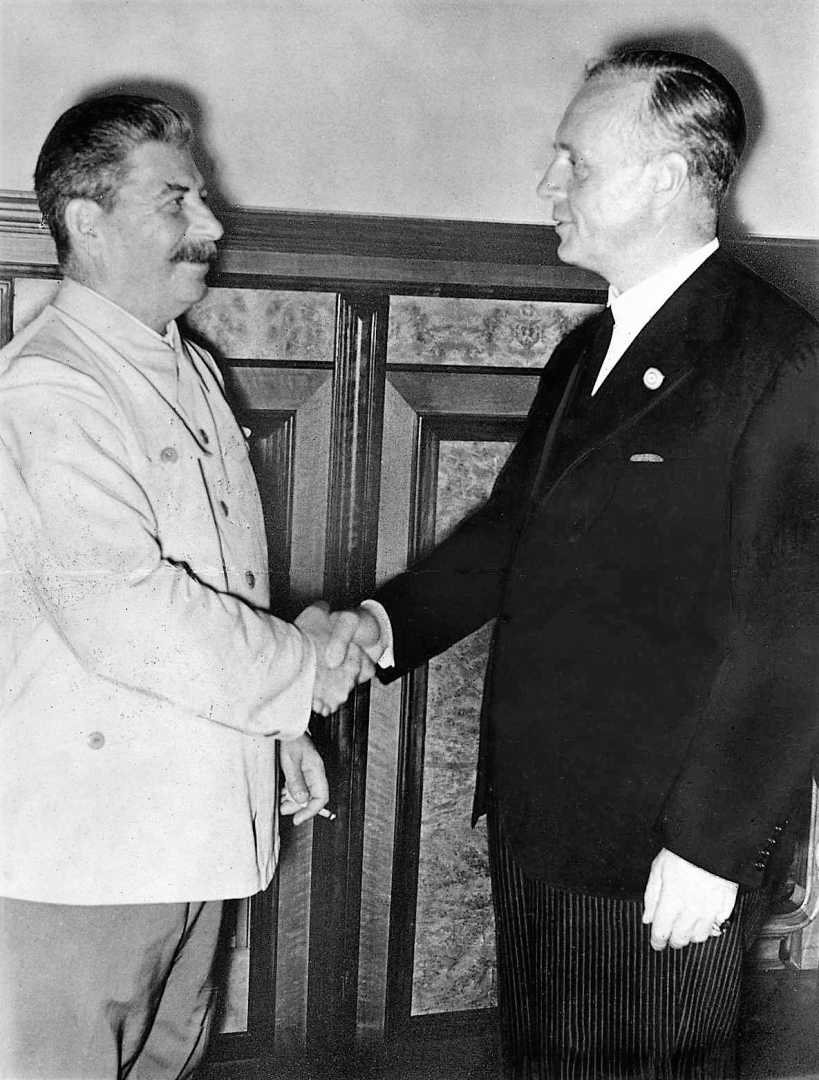
Photo: Stalin and Ribbentrop after signing the non-aggression pact on 23 August 1939. Author unknown.
On 23 August 1939, the Soviet Union and Nazi Germany signed the so-called Molotov-Ribbentrop Pact, which included secret protocols. This agreement paved the way for further aggression in Europe.
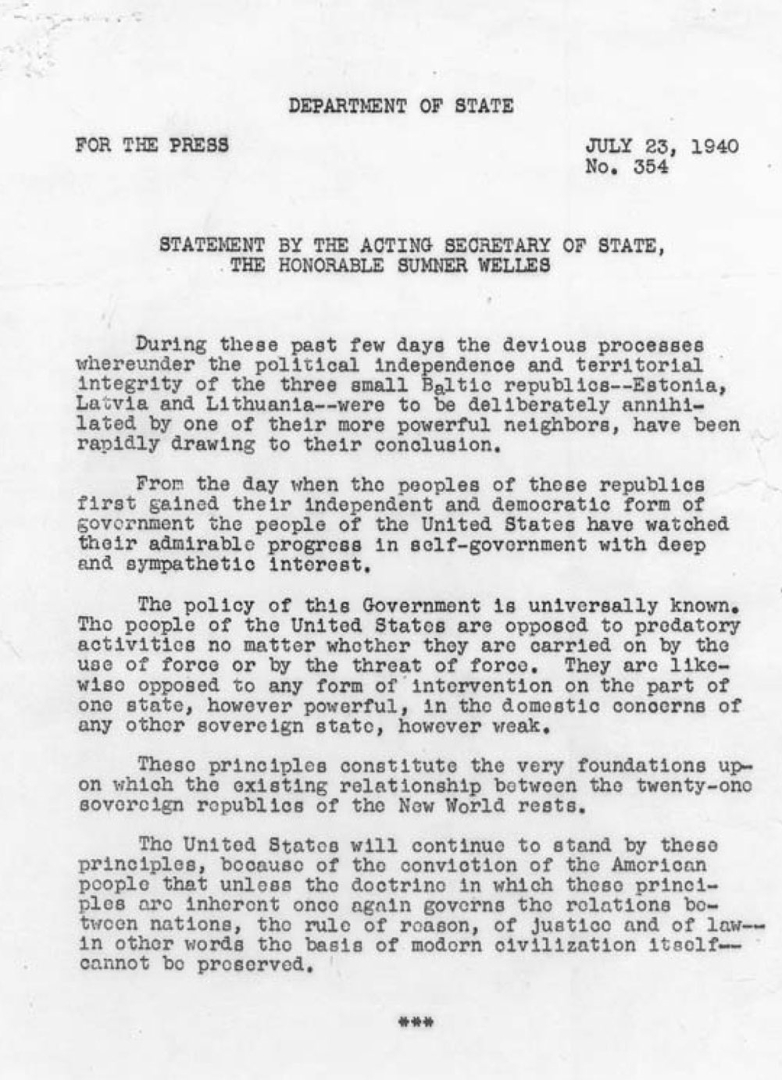
In the summer of 1940, the Soviet Union occupied, annexed, and incorporated the Baltic countries – Latvia, Estonia, and Lithuania – into the USSR. The occupation regime carried out widespread repression and deportations of the population.
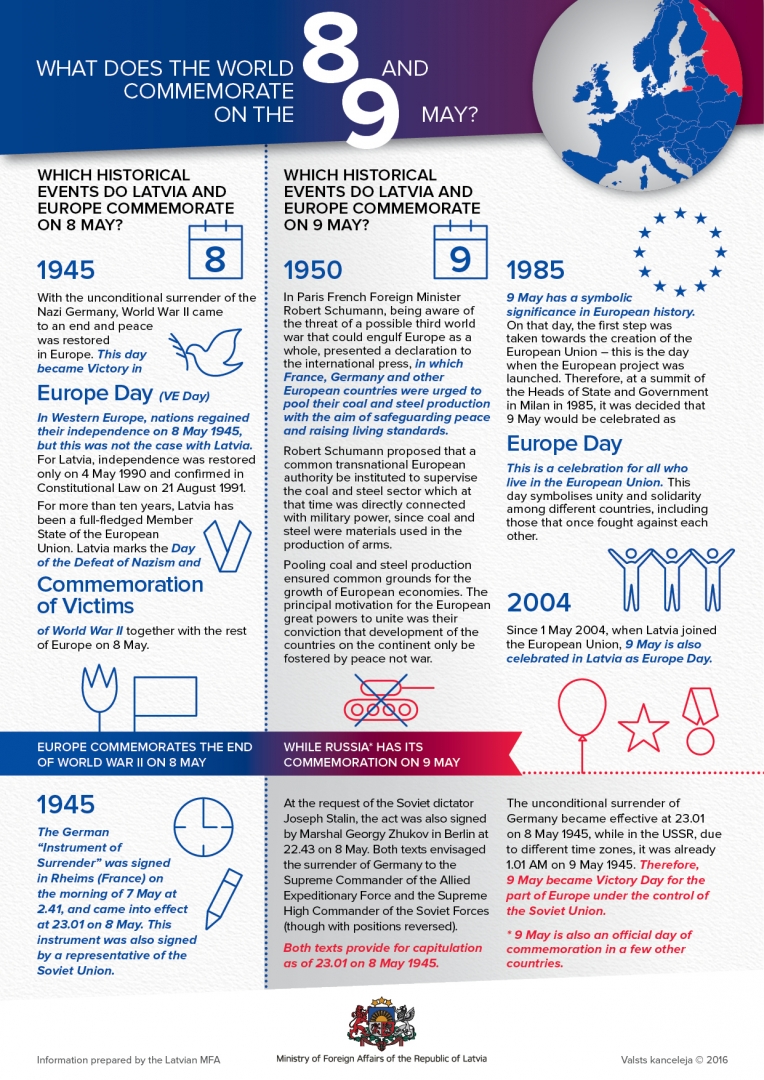
In a few days, on 8 May, we will commemorate the victory over 20th-century Nazism.
We believe in Ukraine’s victory over the aggressor of the 21st century – Russia, the heir to the USSR’s rights and responsibilities.
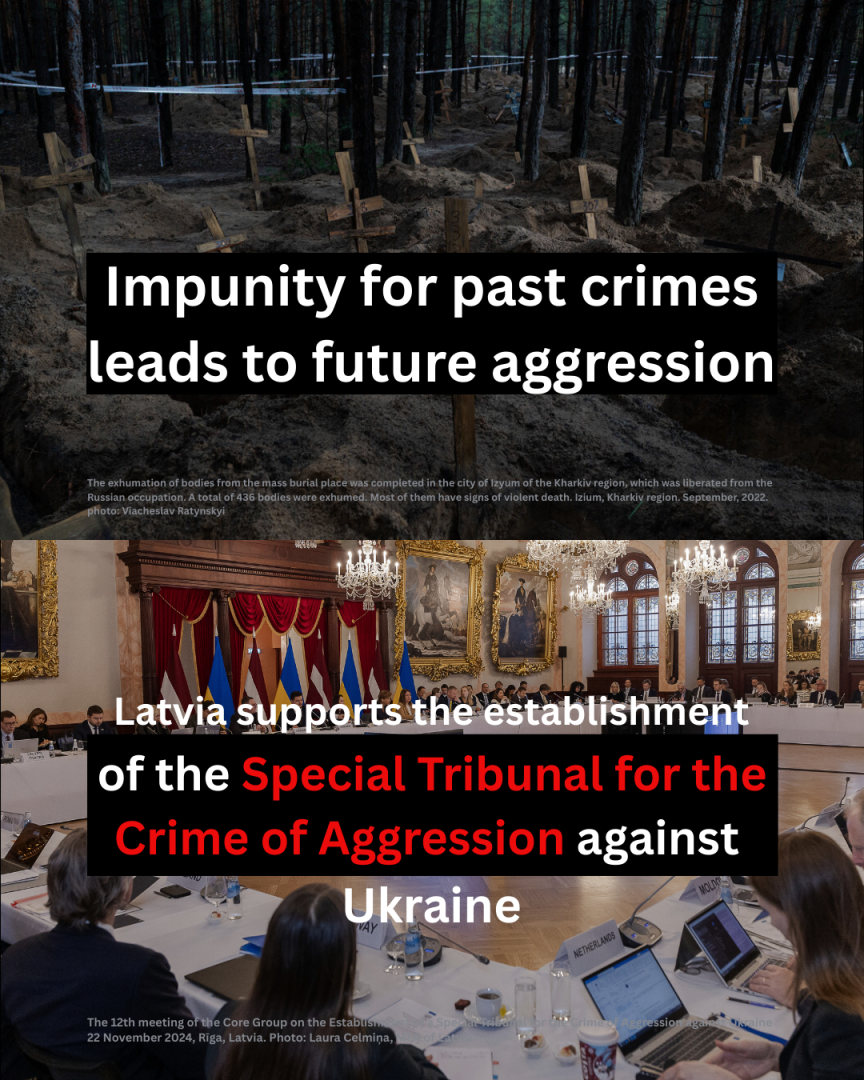
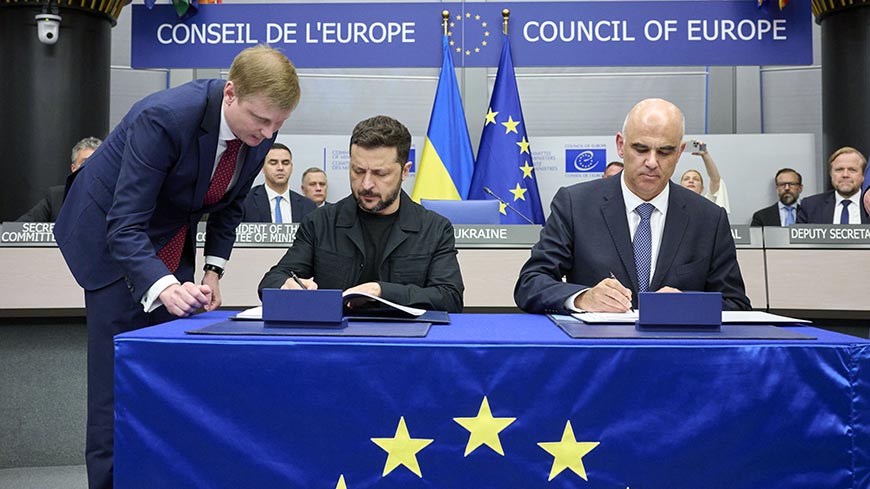
Times may change, but some things must not – the aggressor must be stopped and held accountable.