
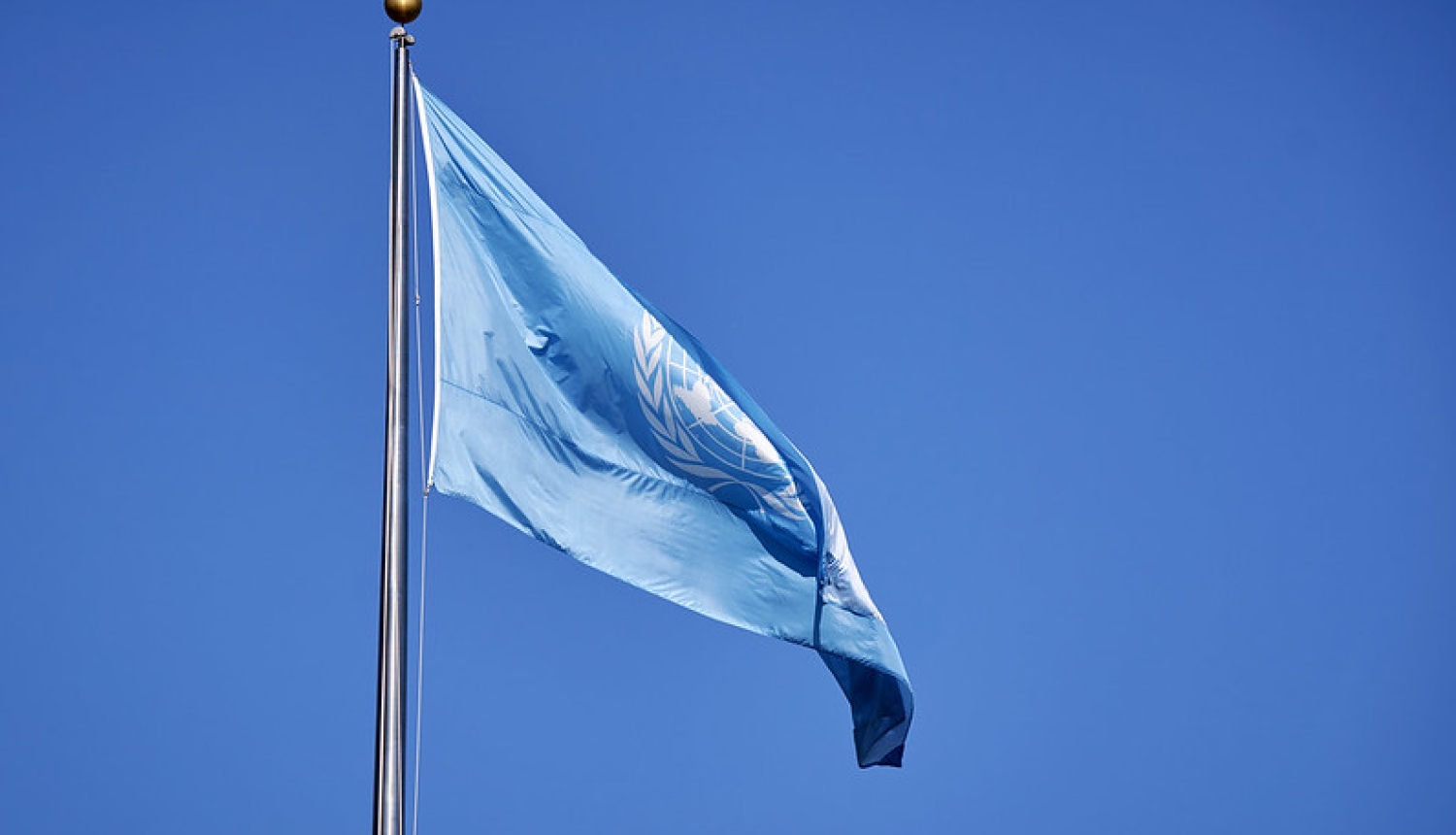
On 9 November 2026, Minister of Foreign Affairs Baiba Braže will take part in an emergency meeting of the UN Security Council (SC) on Ukraine in New York, which will be chaired by Latvia as the country holding the presidency for November. The meeting will take place under the agenda item ‘Maintenance of peace and security in Ukraine’.
At Ukraine’s request, and with the support of Denmark, France, Greece and the United Kingdom, Latvia called for the emergency meeting in response to Russia’s intensified attacks on Ukrainian civilians and critical civilian infrastructure, including the strikes on 2 November in Komyshuvakha, in the Zaporizhzhia region, where more than 50 people were killed in attacks on a humanitarian aid distribution point and a civilian shelter, followed by further strikes that also claimed the lives of rescue workers who had arrived at the scene.
Baiba Braže will highlight the severe humanitarian consequences of Russia’s aggression, drawing on facts documented by the UN, as well as stress the need to halt Russia’s attacks on civilians, ensure accountability for the international crimes committed, and secure an immediate, complete and unconditional ceasefire.
One of the main priorities of Latvia’s presidency of the UN Security Council is to keep Russia’s aggression against Ukraine at the forefront of the international community’s attention, prevent its normalisation and explain the global consequences of Russia’s aggression.
- The meeting will begin on 9 November at 17.00 Latvian time.
- The event will be streamed live on the UN Web TV site.
In November 2026, Latvia will hold the presidency of the UN Security Council for the first time. During its presidency, Latvia will lead the work of the Security Council and chair its meetings, promoting discussions on issues of international peace and security.
Latvia’s priority in the UN Security Council is the protection of international law and the UN Charter, with a particular focus on promoting a just and lasting peace in Ukraine. Latvia is working consistently to ensure that Russia’s war of aggression against Ukraine remains high on the Security Council’s agenda, preventing the normalisation of aggression and countering Russia’s disinformation.