
 Flickr
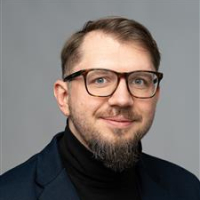
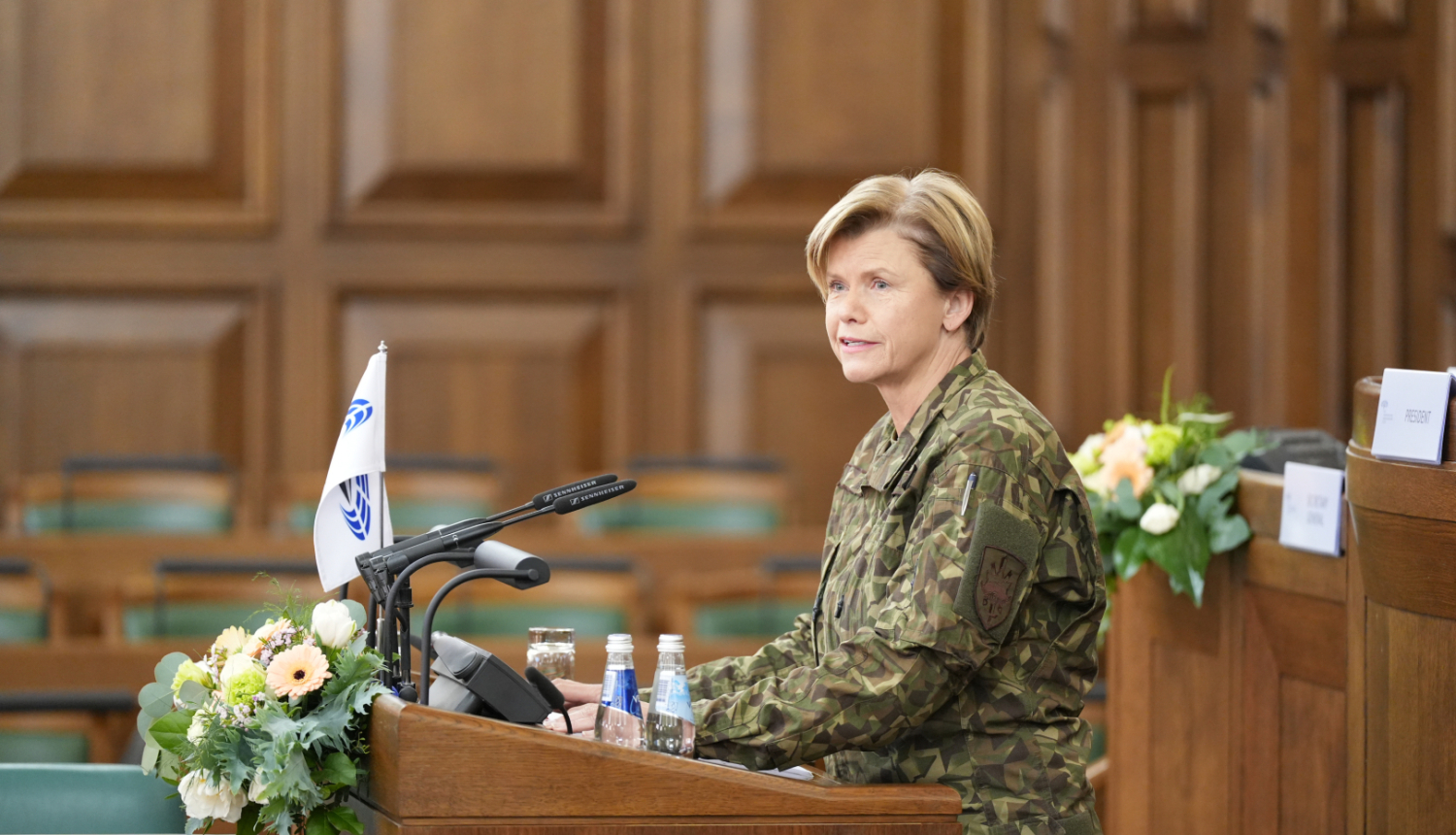
The Minister of Foreign Affairs, Baiba Braže, addressing the NATO Parliamentary Assembly Standing Committee in Riga, emphasised that Allies at the NATO summit in Ankara must demonstrate significant progress in increasing defence spending, while strengthening technological superiority and maintaining a unified approach to security within a 360-degree strategy.
The Minister noted that Latvia has effectively reached the 5% of GDP defence spending target and has ratified this commitment in law:
“We are the first NATO Member State to have ratified in law that 5% of GDP will be allocated to defence. The budget allocated to the defence sector has already reached 4.9% this year, and going forward – no less than 5% annually.”
At the same time, the Minister emphasised the responsibility of Allies. “We expect that all Allies at the NATO summit in Ankara will be able to demonstrate significant progress toward 5% of GDP for defence. This is the main prerequisite for a successful summit,” noted Baiba Braže, adding that the overall trend is positive – defence spending in European countries and Canada increased by approximately 20% last year; however, additional investments in actual military capabilities are still needed.
The Minister emphasised that these investments are essential to ensure a more balanced distribution of responsibility within the Alliance and to strengthen Europe’s ability to take on a greater role in ensuring security.
She drew particular attention to the role of technology in security. “Technology is the new front line of geopolitical competition,” she emphasised, highlighting developments in artificial intelligence, quantum technology, microchips, 6G, space, and biomedicine.
The Minister noted that Latvia has created a favourable environment for defence innovation by developing a unified ecosystem connecting military training grounds, universities, and industry. Latvia serves as a “living laboratory” for defence innovation, where technologies can be rapidly developed, tested, and implemented under real-world conditions.
Latvia, together with the United Kingdom, leads the international Drone Coalition and provides Allies with opportunities to test innovations, including at the Autonomous Systems Competence Centre and the Sēlija military training area, a NATO-approved innovation testing environment. “From Latvia’s perspective, the drone industry is a vital part of the innovation ecosystem, where the state must act as a supporter by providing investment, appropriate regulation, and a flexible testing environment,” the Minister emphasised.
In conclusion, the Minister stressed that Russia’s war of aggression in Ukraine and the security crisis in the Middle East are closely interconnected.
“Military and technological cooperation between Russia and Iran is clearly evident – Iranian drones, weapons, and technologies have been used against Ukraine, killing thousands of civilians and destroying infrastructure,” noted Baiba Braže.
She warned that Russia’s support for Iran is fuelling instability in other regions as well, including the Gulf countries, and poses risks to the global economy and energy security, particularly regarding security in the Strait of Hormuz.
The Minister emphasised that today’s threats also extend to the digital environment, noting that: “Digital infrastructure, including commercial data centres, is becoming a target of high military value.”
In the context of these interconnected crises, she highlighted the importance of NATO’s 360-degree strategy and reaffirmed Latvia’s solidarity with its Allies on the southern flank and partners in the Persian Gulf region.